TOKYO

Tokyo is Asia's most cosmopolitan city and home to one of the world's largest LGBTQ+ scenes, centered in the legendary Shinjuku Ni-chôme district. Japan's culture of politeness and non-interference creates a uniquely welcoming environment for LGBTQ+ travellers. Tokyo combines cutting-edge modernity with traditional Japanese culture, offering an unmatched travel experience for LGBTQ+ visitors.

Where to stay

Shinjuku Ni-chôme — The Gay District

Shinjuku Ni-chôme is one of the world's largest gay districts, with hundreds of bars, clubs, restaurants and karaoke venues packed into a few blocks. The area operates 24 hours with a mix of international and local LGBTQ+ visitors. Hotels range from budget capsule to luxury options, all within the beating heart of Tokyo's gay scene.

Ginza — Upscale & Sophisticated

Ginza is Tokyo's most upscale shopping and dining neighbourhood, featuring luxury hotels, fine restaurants and department stores. The area is cosmopolitan and modern. Hotels are premium properties ideal for luxury travellers seeking access to Shinjuku via subway.

Aoyama — Contemporary & Trendy

Aoyama is Tokyo's trendiest neighbourhood for fashion, design and contemporary culture. The area is young, progressive and LGBTQ+-friendly with numerous bars, restaurants and hotels. A stylish alternative to Shinjuku Ni-chôme.

Shibuya — Young & Vibrant

Shibuya is Tokyo's most vibrant youth culture hub, famous for the Shibuya Crossing and contemporary energy. The area is cosmopolitan and LGBTQ+-welcoming with numerous bars and restaurants. Hotels are contemporary and style-focused.

Safety & Inclusivity

Street Safety
Tokyo is one of the world's safest cities for LGBTQ+ travellers. Shinjuku Ni-chôme is an explicitly gay district where same-sex couples are common and celebrated. The neighbourhood operates openly 24 hours. Tokyo's general culture is notably tolerant of LGBTQ+ people.
Legal Protection
Japan does not recognize same-sex marriage, though some municipalities offer partnership certificates. Japan has no nationwide anti-discrimination law, though Tokyo and some prefectures offer protections. Japanese culture emphasizes tolerance and non-confrontation.
By Neighbourhood
Shinjuku Ni-chôme is Tokyo's explicit gay district. Ginza, Aoyama and Shibuya are cosmopolitan and LGBTQ+-friendly. Tokyo's culture of politeness extends to LGBTQ+ travellers.

Key Dates for Gay Travellers

Tokyo is a year-round destination, with several unmissable moments in the LGBTQ+ travel calendar.

Golden Week — Late April/Early May

Golden Week is a major Japanese holiday period with numerous festivals, celebrations and events. The period coincides with Pride celebrations, making it an excellent time to visit.

Cherry Blossom Season — Late March/Early April

Cherry blossom season is Tokyo's most famous time, with parks and streets blooming throughout the city. The season attracts international visitors and is LGBTQ+-friendly.

Summer & Fall (July–October) — Peak Crowds

Summer and fall offer warm weather and numerous festivals. Tourist crowds are higher and hotel rates peak; book in advance.

Winter (November–February) — Best Value

Tokyo's winter is mild with clear skies, fewer crowds and better hotel rates. The LGBTQ+ scene remains fully active.

Top 5 Friendly Hotels

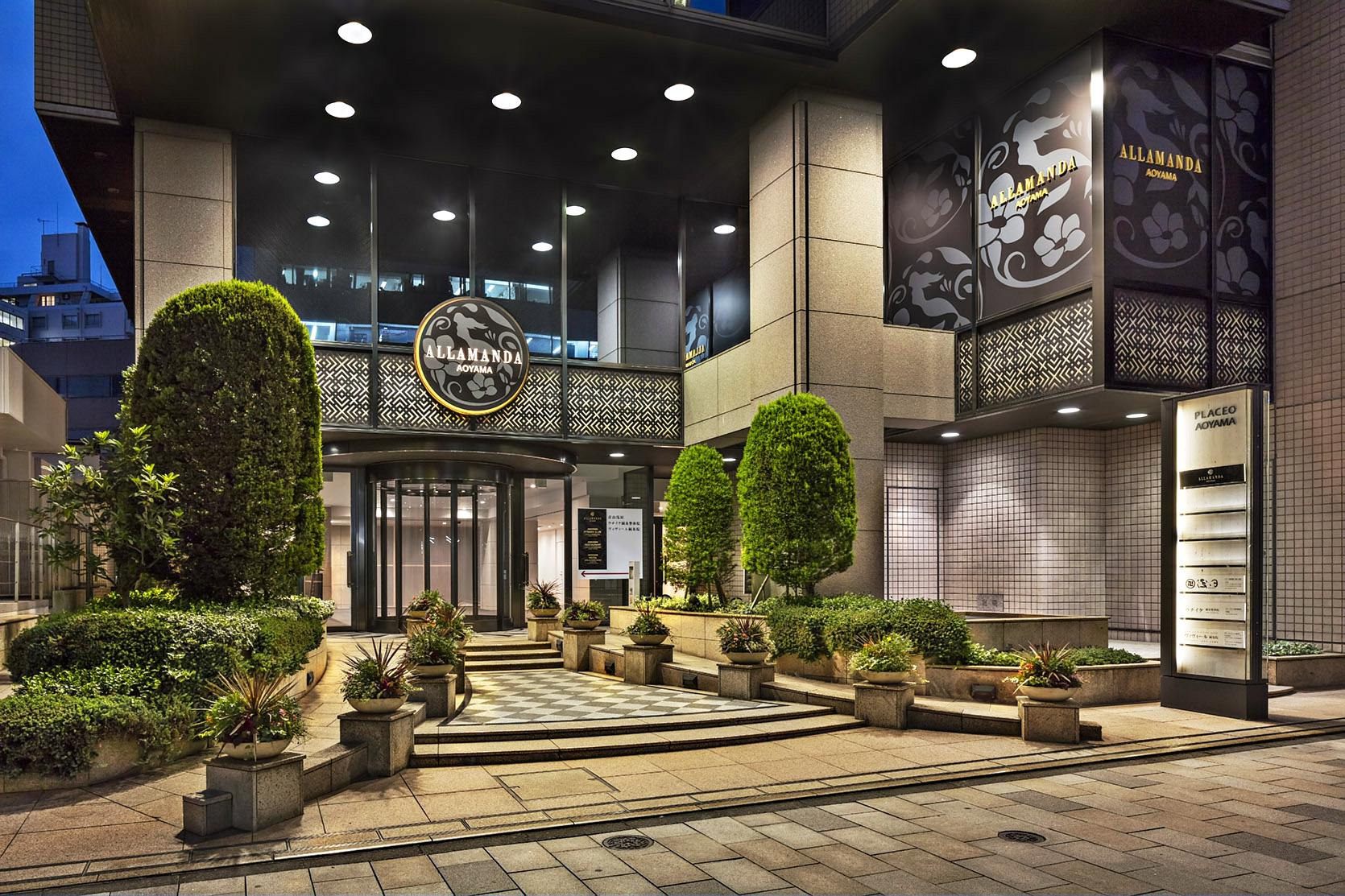
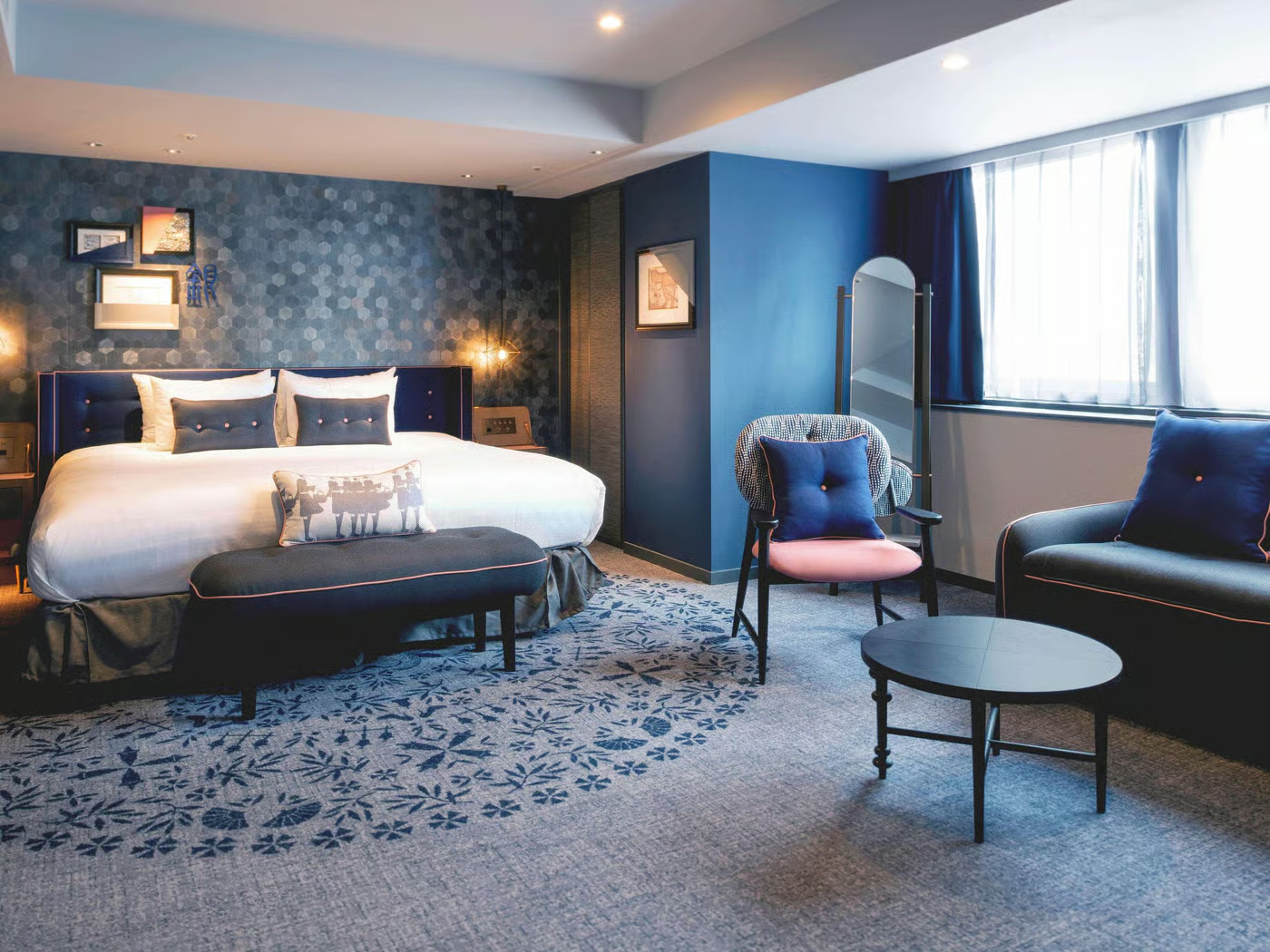
Hotel Allamanda Aoyama

A contemporary design hotel in trendy Aoyama, known for LGBTQ+ hospitality and style. The Allamanda offers access to Tokyo's contemporary culture with proximity to Shinjuku.
Book it

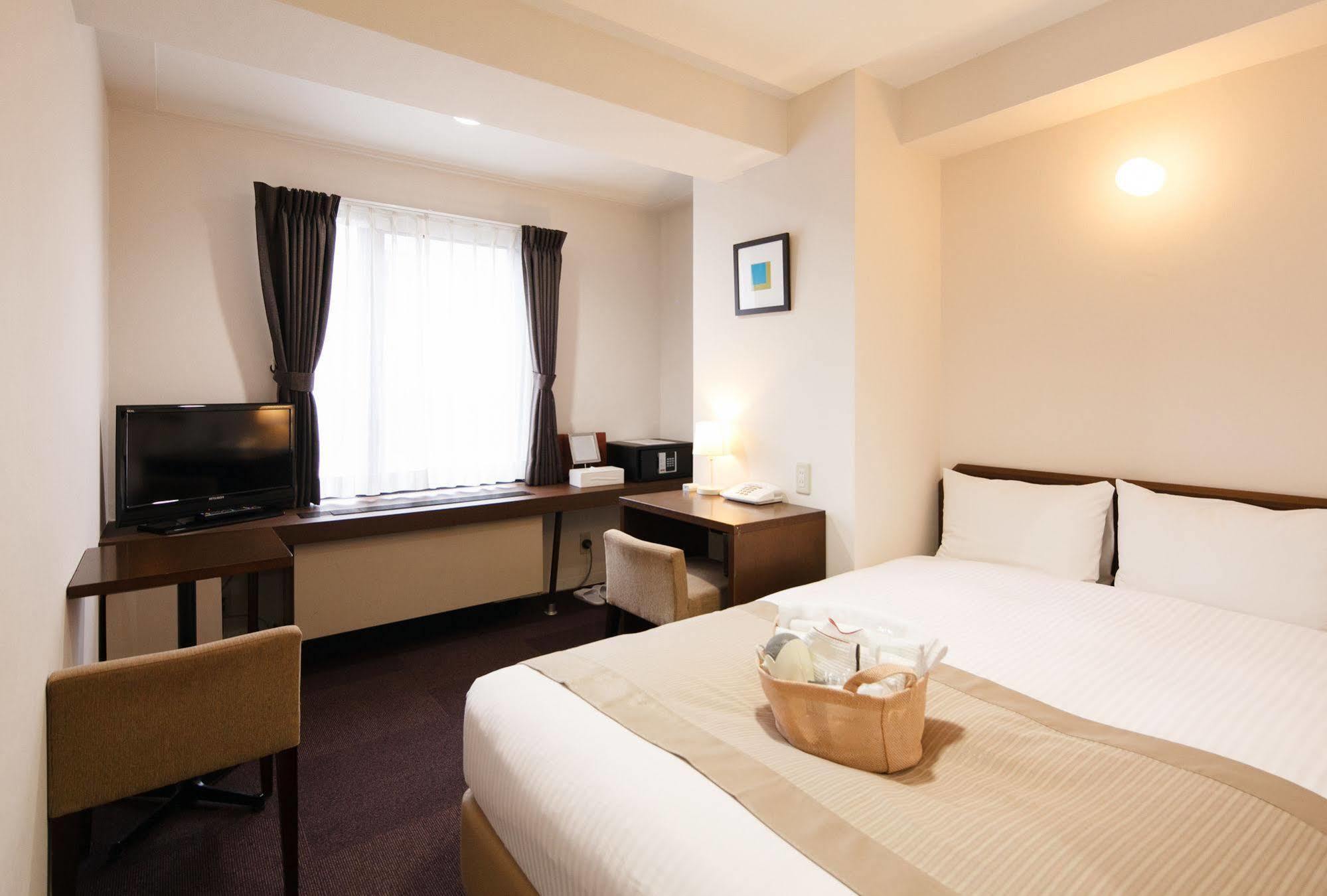
Mercure Tokyo Ginza

A mid-range contemporary hotel in Ginza with good value and proximity to Shinjuku via subway. The Mercure offers comfort and LGBTQ+ welcome in a central location.
Book it

City Hotel Lonestar Shinjuku

A contemporary hotel in Shinjuku with proximity to Ni-chôme. City Hotel Lonestar is known for LGBTQ+ hospitality and convenience to Tokyo's gay district.
Book it

Park Hyatt Tokyo

Tokyo's most iconic luxury hotel with rooftop views of Mount Fuji and the city. Located in Shinjuku above the train station, Park Hyatt offers direct access to Ni-chôme and incomparable views.
Book it

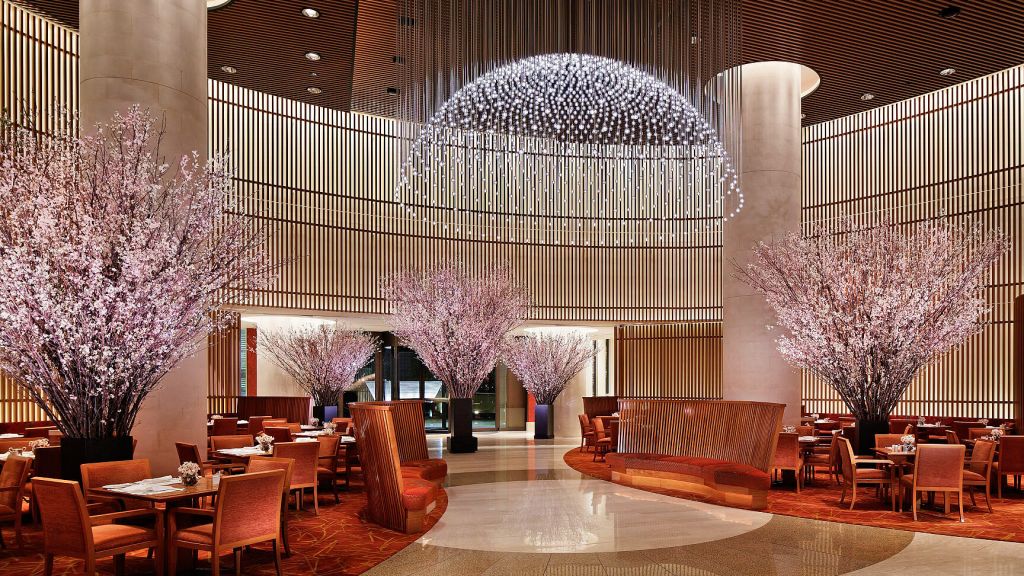
The Peninsula Tokyo

An ultra-luxury hotel in Ginza with exceptional design, fine dining and service. The Peninsula is accessible to Shinjuku via subway and ideal for luxury travellers seeking Tokyo's sophistication.
Book it

Frequently asked questions

Is Tokyo safe for gay couples?

Tokyo is one of the safest cities in the world for LGBTQ+ travellers. While Japan does not legally recognise same-sex partnerships at the national level, Tokyo and many major Japanese cities have issued partnership certificates and the social environment is welcoming and respectful. Japanese culture's emphasis on politeness and non-confrontation means that LGBTQ+ visitors are very unlikely to experience overt harassment. Public displays of affection are generally subdued across Japanese culture for all couples — same-sex couples tend to follow the same understated norms.

What is the gay area of Tokyo called?

Tokyo's main gay district is Shinjuku Ni-chome (新宿二丁目) — a dense network of small LGBTQ+ bars in Shinjuku ward, considered one of the world's greatest gay districts. With over 200 bars in a compact area, it ranges from small intimate bars to larger clubs, catering to every subset of the LGBTQ+ community. Most bars are tiny (10–20 persons), typically Japanese in style, and some are members-only or Japanese-only — check ahead if you're new to the area.

When is Tokyo Rainbow Pride 2026?

Tokyo Rainbow Pride typically takes place in late April or early May — often timed around Japan's Golden Week holiday period. It includes a parade in Shibuya and a two-day festival in Yoyogi Park, and is one of Asia's largest Pride events. Check the Tokyo Rainbow Pride official website for confirmed 2026 dates and venue. Hotels in Shibuya and Shinjuku book up quickly for Pride weekend.

How do I navigate Shinjuku Ni-chome as a first-time visitor?

Shinjuku Ni-chome is welcoming to international visitors, though the bars are often very small and many are Japanese-only or have unwritten rules about guest introductions. The best approach for first-timers is to start with larger, internationally known bars like GB (a long-standing mixed gay bar) or Advocates Café before exploring the smaller spots. Going with a Japanese-speaking friend or joining an LGBTQ+ Tokyo tour group is a great way to get introductions. Most bars are open from around 8pm–5am.