BERLIN

Berlin has one of the world's most unapologetically queer cultures — a city where LGBTQ+ identity has been central to the social fabric since the early 20th century and where the scene's scale, diversity and freedom remain unmatched in Europe. From the historic gay village of Schöneberg to the leather clubs of Kreuzberg and the art-queer spaces of Mitte and Prenzlauer Berg, Berlin offers an LGBTQ+ experience of extraordinary breadth. Germany legalised same-sex marriage in 2017, and Berlin's LGBTQ+ community is among the most politically active and culturally influential on the planet.
Where to stay

Schöneberg — The Historic Village

Schöneberg, centred on Motzstrasse, Fuggerstrasse and the famous Nollendorfplatz, has been Berlin's LGBTQ+ heartland since the 1920s and remains one of Europe's most historically significant gay neighbourhoods. A mix of established gay bars, bears clubs and community spaces operates alongside a residential area that is overtly and comfortably queer. Hotels here are mid-range and well-priced; the neighbourhood is less central than Mitte but well connected by U-Bahn. An essential area for any LGBTQ+ visitor interested in Berlin's history.

Kreuzberg — Counter-Culture & Leather

Kreuzberg hosts Berlin's most diverse and politically engaged queer scene, with leather bars, fetish clubs and an anarchic energy that sets it apart from Schöneberg's more settled character. Venues including Berghain's immediate area and the leather clubs along Urbanstrasse attract an international crowd. Hotels range from boutique to budget; the area is safe, diverse and genuinely welcoming. Best suited to LGBTQ+ travellers who want the edgier side of Berlin's scene.

Mitte & Prenzlauer Berg — Design & Arts

Berlin's central and northern neighbourhoods host a growing queer-arts scene alongside the city's premium hotel offering. Mitte has international design hotels, while Prenzlauer Berg offers a more residential, family-friendly-but-inclusive character. The LGBTQ+ scene here is less concentrated but deeply woven into the cultural fabric of both areas. Strong base for travellers who want premium accommodation with easy U-Bahn access to Schöneberg and Kreuzberg.

Friedrichshain — Club Culture

Home to the legendary Berghain and Raw Gelände, Friedrichshain is the heartland of Berlin's internationally famous club scene, which is LGBTQ+-inclusive to its core. The neighbourhood is young, creative and openly queer in character. Hotels are mid-range and well-priced; the area is far from traditional tourist sights but connected by U and S-Bahn. An essential base for LGBTQ+ travellers whose Berlin trip is centred on its world-renowned nightlife.

Safety & Inclusivity

Street Safety
Berlin is one of the most LGBTQ+-affirming cities in Europe and globally. Same-sex couples are openly present and affectionate throughout the city. The city's culture of individual expression and political liberalism extends genuine welcome across all neighbourhoods.
Legal Protection
Same-sex marriage has been legal in Germany since October 2017. German law provides comprehensive anti-discrimination protections for LGBTQ+ people covering employment, housing and public services. Berlin has dedicated LGBTQ+ advisory boards at city level.
By Neighbourhood
Schöneberg, Kreuzberg and Friedrichshain are openly queer spaces. Mitte and Prenzlauer Berg are diverse and welcoming. Even outer Berlin neighbourhoods are generally tolerant. Exercise standard awareness in tourist-heavy areas around pickpocketing, as in any major city.

Key Dates for Gay Travellers

Berlin is a year-round destination, but the LGBTQ+ travel calendar has a few unmissable moments.

CSD Berlin — Late July

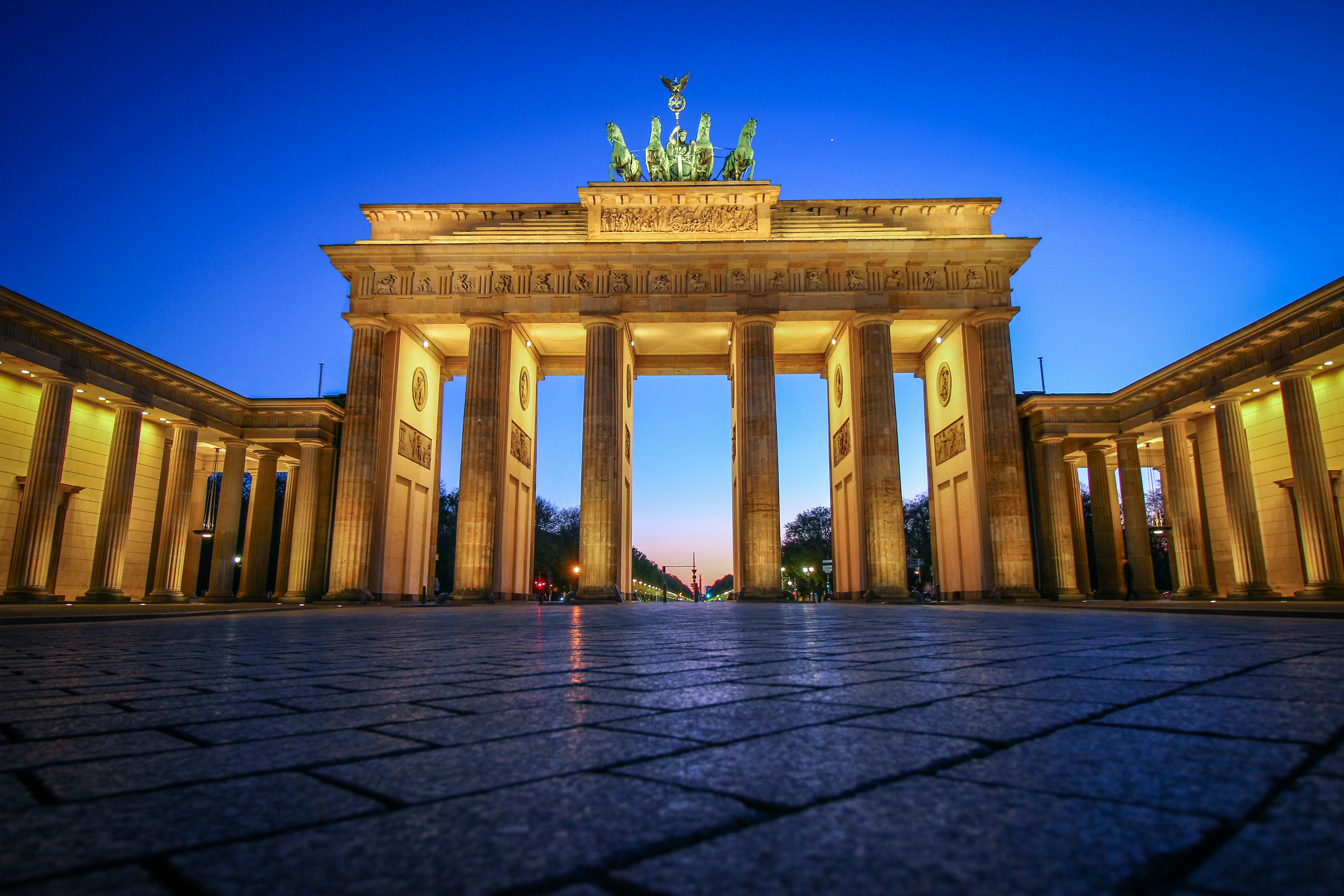
Berlin's Christopher Street Day (CSD) parade typically takes place on the last Saturday of July — in 2026 expected around 25 July. The parade route runs through central Berlin from the Ku'damm area toward the Brandenburg Gate, with parties continuing across the city. Berlin CSD is one of Europe's largest Pride events, drawing hundreds of thousands of participants. Book hotels two to three months ahead for the best options in central Berlin and Schöneberg.

Folsom Europe — September

Folsom Europe, held each September in Schöneberg and Kreuzberg, is the largest leather and fetish festival in Europe — drawing tens of thousands of visitors from across the LGBTQ+ community and beyond. The street fair, parties and events span several days. Hotels in Schöneberg and Kreuzberg book out for Folsom weekend; reserve two to three months ahead. A major event on the international LGBTQ+ calendar even for those outside the leather scene.

Summer (June–August) — Peak Season

Berlin's summer is the city's most social and culturally intense season. The LGBTQ+ scene operates at full capacity — outdoor bars, canal-side gatherings, open-air techno and a packed queer events calendar. Hotel rates are elevated from June through August, with CSD creating the peak pressure point. Berlin's summer is incomparable for LGBTQ+ travellers who want both culture and scene in one city.

Autumn & Winter — Underrated & Affordable

Berlin in autumn and winter has a gritty, interior atmosphere that suits the city's club and arts culture perfectly. The LGBTQ+ scene is year-round and arguably most intense in the darker months when club nights and underground events dominate the calendar. Hotel rates drop significantly from October onward — Berlin's best value window for LGBTQ+ travellers who want the full city experience without summer pricing.

Top 5 Friendly Hotels

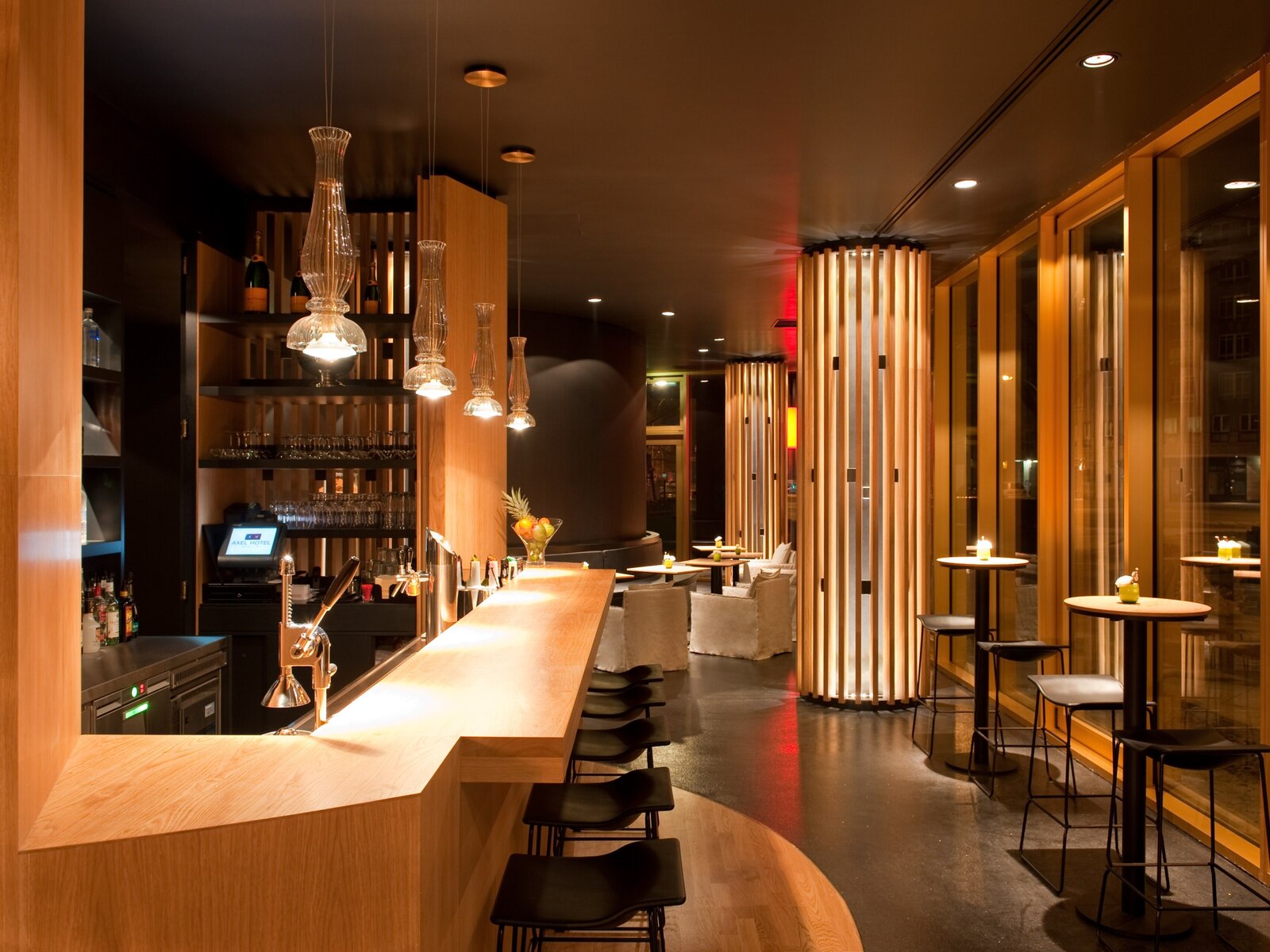
Axel Hotel Berlin

The Axel Hotel Berlin is the city's most explicitly LGBTQ+-focused property, operating as a hetero-friendly gay hotel near the Kurfürstendamm. TAG Approved certified, with a rooftop pool, direct connections to Schöneberg and Kreuzberg's scene, and a brand culture that puts LGBTQ+ guests at the centre of everything. The go-to stay for LGBTQ+ visitors who want to be part of Berlin's queer community from the moment they arrive.
Book it

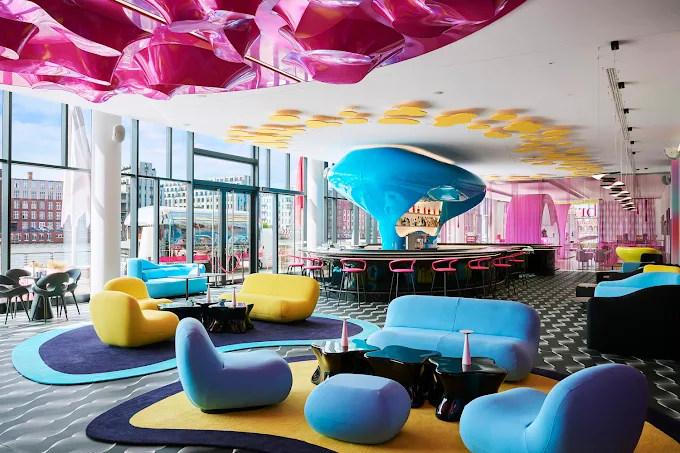
nhow Berlin

A striking music-themed hotel on the Spree riverbank in Friedrichshain, nhow Berlin is visually spectacular and genuinely inclusive in atmosphere. The hotel is close to the East Side Gallery and well-positioned for Kreuzberg's queer nightlife. Popular with LGBTQ+ guests for its bold design, riverside location and staff culture. An interesting alternative to more central options.
Book it

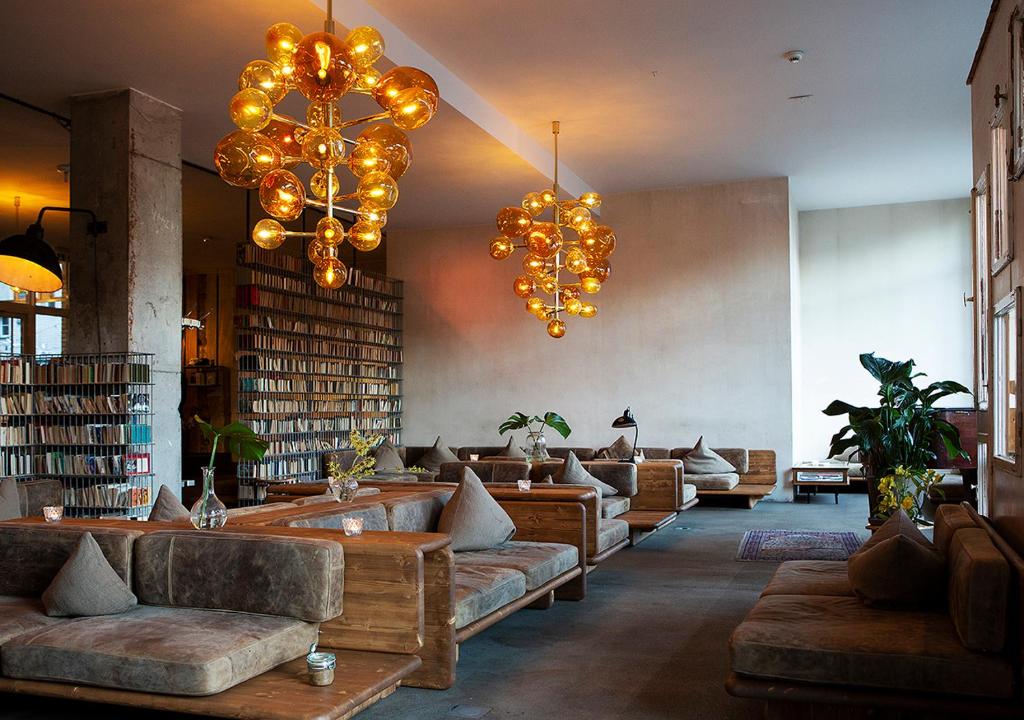
Michelberger Hotel

A beloved independent hotel in Friedrichshain — the neighbourhood of Berghain — the Michelberger has been a fixture of Berlin's creative and LGBTQ+-inclusive scene since its opening. The lobby bar, courtyard and communal spaces are reliably social and openly welcoming. A hotel with genuine personality and strong community ties. Best for LGBTQ+ travellers interested in Berlin's club and arts scene.
Book it

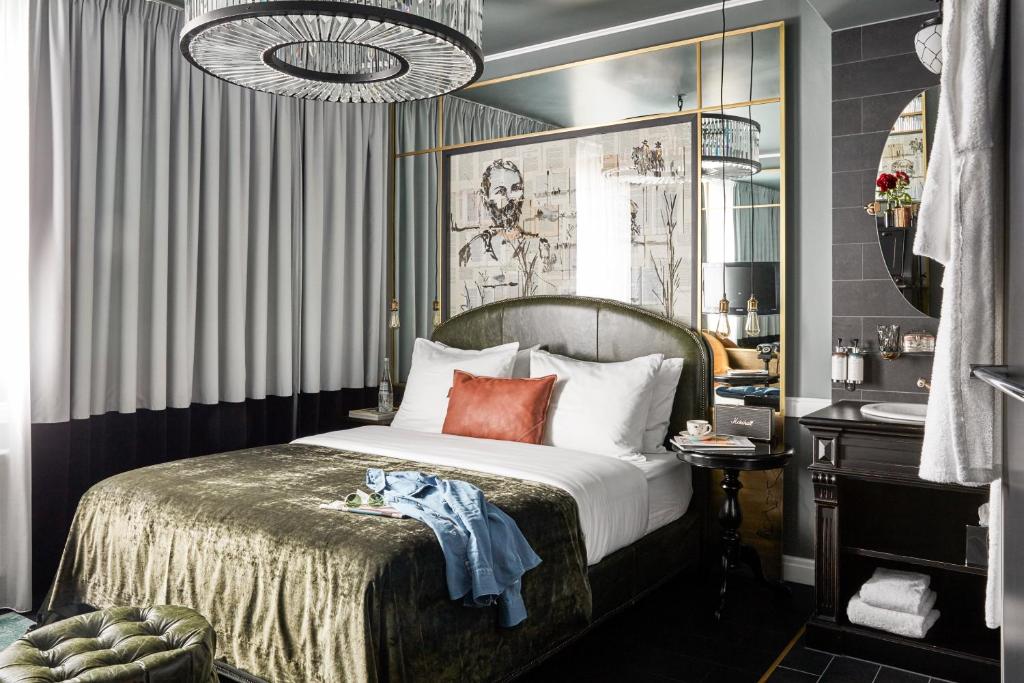
SIR Savigny Hotel

A stylish boutique hotel in Charlottenburg, near the Savignyplatz, with a cool, inclusive atmosphere popular with LGBTQ+ visitors. The SIR brand brings a design-forward sensibility and warm staff culture to a neighbourhood that is genteel, well-connected and a short ride from both Schöneberg and the city centre. An excellent mid-to-upper range option for couples.
Book it

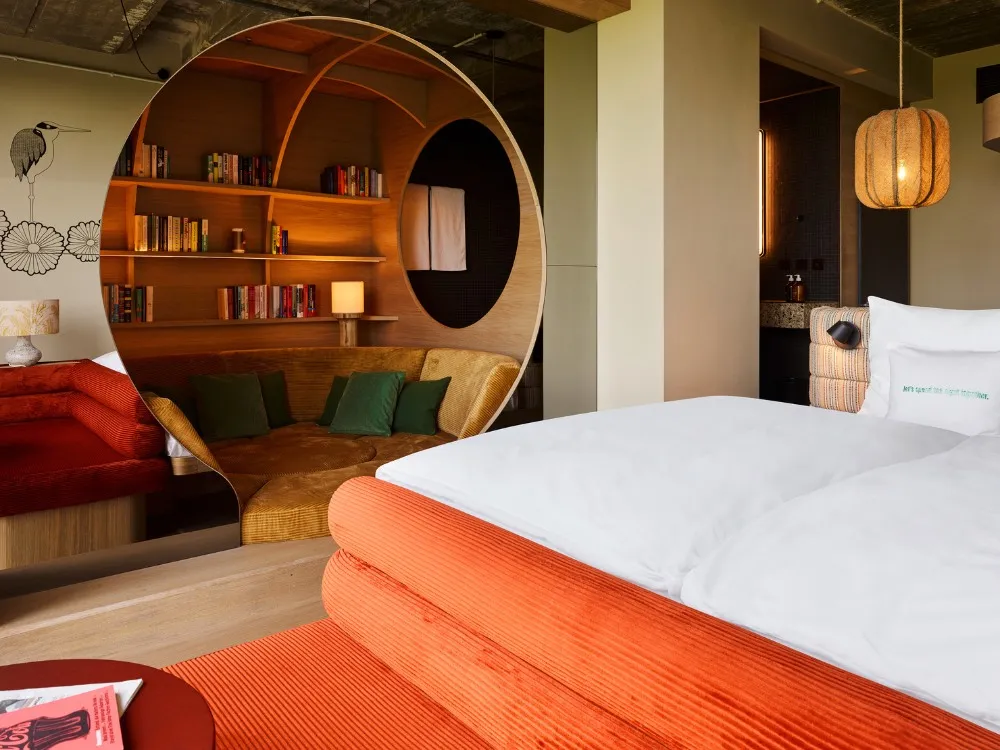
25hours Hotel Bikini Berlin

A landmark design hotel facing the Berlin Zoo and the Ku'damm, 25hours Bikini has a creative, openly inclusive culture that makes it a popular choice with LGBTQ+ travellers. The rooftop bar is one of Berlin's most social and design-forward spaces, and the brand's ethos of individual expression aligns naturally with the city's queer character. Well connected to Schöneberg by U-Bahn.
Book it

Frequently asked questions

How do I get into Berghain?

Berghain is Berlin's most famous club and is notoriously selective at the door. Doors typically open late Saturday night and the queue forms on Revaler Strasse. There is no confirmed formula for entry — the door policy is based on how guests are perceived to fit the club's atmosphere. Dressing down, going in small groups, avoiding eye contact and being genuinely there for the music are commonly cited approaches. The club is deeply LGBTQ+-welcoming inside; the door policy applies equally to all.

When is Berlin Pride 2026?

Berlin CSD 2026 is expected on Saturday 25 July, following the pattern of the last Saturday of July. The parade runs through central Berlin from the Ku'damm area. Check the Berlin CSD official website for confirmed details and book two to three months ahead for central hotels.

What is the main gay area of Berlin called?

Berlin's historic gay village is Schöneberg, centred on Nollendorfplatz and the streets around Motzstrasse and Fuggerstrasse. Kreuzberg hosts the leather and fetish scene. Friedrichshain is the club-culture centre, home to Berghain. All three are within 20 minutes of each other by U-Bahn.

Is Berlin safe for gay couples?

Berlin is one of the most LGBTQ+-affirming cities on earth. Germany legalised same-sex marriage in 2017 and Berlin has a deep, long-standing culture of LGBTQ+ visibility and political engagement. Same-sex couples are openly present across all neighbourhoods. Standard urban awareness applies after dark in all areas.