CAPE TOWN

Cape Town occupies a unique position as Africa's most LGBTQ+-welcoming city and the continent's only real gay travel destination with an established LGBTQ+ infrastructure. South Africa made history in 2006 as the first — and still only — African country to legalise same-sex marriage, and the constitution is among the world's most progressive on LGBTQ+ rights. Against one of the world's most spectacular natural backdrops — Table Mountain, the Atlantic Seaboard and the Cape Winelands — Cape Town offers an LGBTQ+ travel experience that is extraordinary both for its beauty and its significance.

Where to stay

CAPE TOWN's LGBTQ+ scene is spread across several distinct neighbourhoods, each with its own character. Choosing the right area to stay depends on what kind of trip you're after.

Long Street & the CBD — Vibrant & Diverse

Long Street is Cape Town's most eclectic street — a mix of backpacker hostels, boutique hotels, bars and restaurants in a lively, diverse environment. The street and the adjacent CBD are welcoming for LGBTQ+ visitors, with several queer-inclusive venues operating in the area. A more budget-conscious base than De Waterkant, with a youthful, mixed atmosphere and easy access to the whole city.

Gardens & Oranjezicht — Residential & Welcoming

The tree-lined residential streets of Gardens and Oranjezicht, on the slopes of Table Mountain, are home to some of Cape Town's most charming boutique guesthouses and B&Bs, many with LGBTQ+-welcoming reputations built over years. The area is quieter than De Waterkant, with excellent restaurants along Kloof Street and easy access to both the gay village and the cable car to Table Mountain.

Green Point & Sea Point — Scene & Sea

Green Point extends De Waterkant's LGBTQ+ character into a broader strip of bars, restaurants and accommodation along Somerset Road and beyond. Sea Point, further along the Atlantic Seaboard, is a beautiful, diverse neighbourhood with a relaxed LGBTQ+-welcoming atmosphere, excellent restaurants and a sea-front promenade. Hotels range from mid-range to luxury and Sea Point offers better value than De Waterkant for comparable quality.

De Waterkant — The Gay Village

De Waterkant, centred on the Cape Quarter area, is Cape Town's LGBTQ+ heartland — a compact neighbourhood of Victorian Cape Malay cottages converted into boutique hotels, gay bars and LGBTQ+-owned restaurants. The area is pedestrian-friendly, visually beautiful and openly queer in character. Hotels here range from intimate guesthouses to design-led boutiques. A short walk to the V&A Waterfront and Green Point's bars. During Cape Town Pride the neighbourhood is the focal point of festivities.

Safety & Inclusivity

Street Safety
Cape Town's tourism areas — De Waterkant, Green Point, Sea Point, the V&A Waterfront and the City Bowl — are safe and welcoming for LGBTQ+ travellers. Same-sex couples are openly present in these neighbourhoods. Exercise standard awareness outside of tourist areas, particularly after dark, as crime levels in parts of Cape Town require general vigilance for all visitors.
Legal Protection
South Africa has the most progressive LGBTQ+ constitution on the African continent — same-sex marriage has been legal since 2006 and the Bill of Rights explicitly protects LGBTQ+ people from discrimination. However, LGBTQ+ rights in practice vary significantly between Cape Town's tourism areas and more conservative rural or township communities.
By Neighbourhood
De Waterkant, Green Point and Sea Point are openly LGBTQ+-welcoming. Gardens and the City Bowl are safe and inclusive. Avoid poorly lit or quiet streets after dark in all areas — Cape Town's crime statistics require vigilance regardless of identity. The city's LGBTQ+-specific tourism areas are its safest and most welcoming zones

Key Dates for Gay Travellers

Cape Town is a year-round destination, but the LGBTQ+ travel calendar has a few unmissable moments.

Autumn & Winter (April–September) — Cape Winelands Value

Cape Town's winter (June through August) is mild and wet — far more comfortable than Northern Hemisphere winters — and hotel rates drop significantly. The Cape Winelands (Stellenbosch, Franschhoek) are among the world's great wine destinations and are beautiful year-round. The LGBTQ+ scene in De Waterkant continues through winter, and the city's cultural programme is active. An excellent value window for LGBTQ+ travellers combining city and winelands.

Summer Season (November–March) — Prime Time

Cape Town's summer (the Southern Hemisphere summer) runs from November through March, coinciding with the most popular tourist season and Cape Town Pride. Long days, warm weather and the city's beaches and winelands are at their best. Hotel rates are elevated from December through February; book three to four months ahead for peak summer. The combination of Pride season and summer weather makes this the optimal LGBTQ+ travel window.

Cape Town Pride — February / March

Cape Town Pride typically takes place in late February or early March, with the parade and festival centred on De Waterkant and Green Point. In 2026, Cape Town Pride is expected in late February. The event is one of Africa's largest LGBTQ+ celebrations and draws participants from across the continent and internationally. Book hotels in De Waterkant and Green Point two to three months ahead — the event is growing each year and accommodation fills quickly.

Top 5 Friendly Hotels

Taj Cape Town

A luxury hotel in the heritage Reserve Bank building on Wale Street in the CBD, the Taj combines exceptional colonial architecture with the Taj group's signature service standards and genuine LGBTQ+ inclusivity. The pool deck and spa are standout amenities; the location is central for the City Bowl, De Waterkant and the Company's Garden. A premium option for LGBTQ+ couples who want grandeur in Cape Town.
Book it

The Silo Hotel

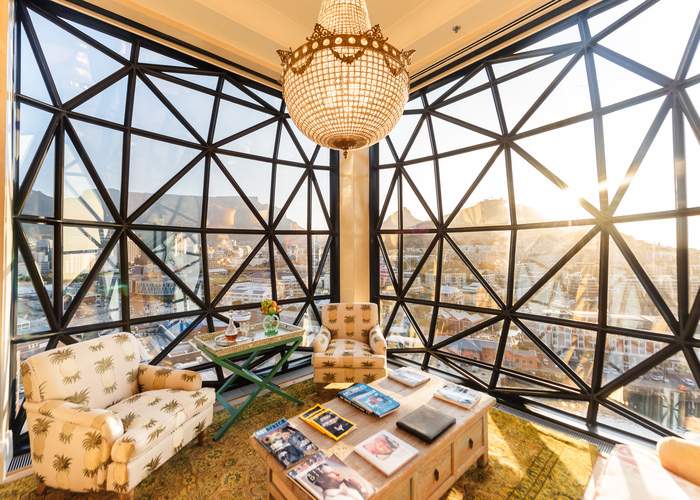
One of the world's most acclaimed hotel conversions — set in the grain silo above the Zeitz MOCAA museum at the V&A Waterfront — The Silo is Cape Town's most extraordinary luxury experience. The glass bubble windows, rooftop pool and extraordinary views are unmatched. A 10-minute walk from De Waterkant; the hotel is LGBTQ+-welcoming throughout and the building itself is a global design landmark.
Book it

Ellerman House

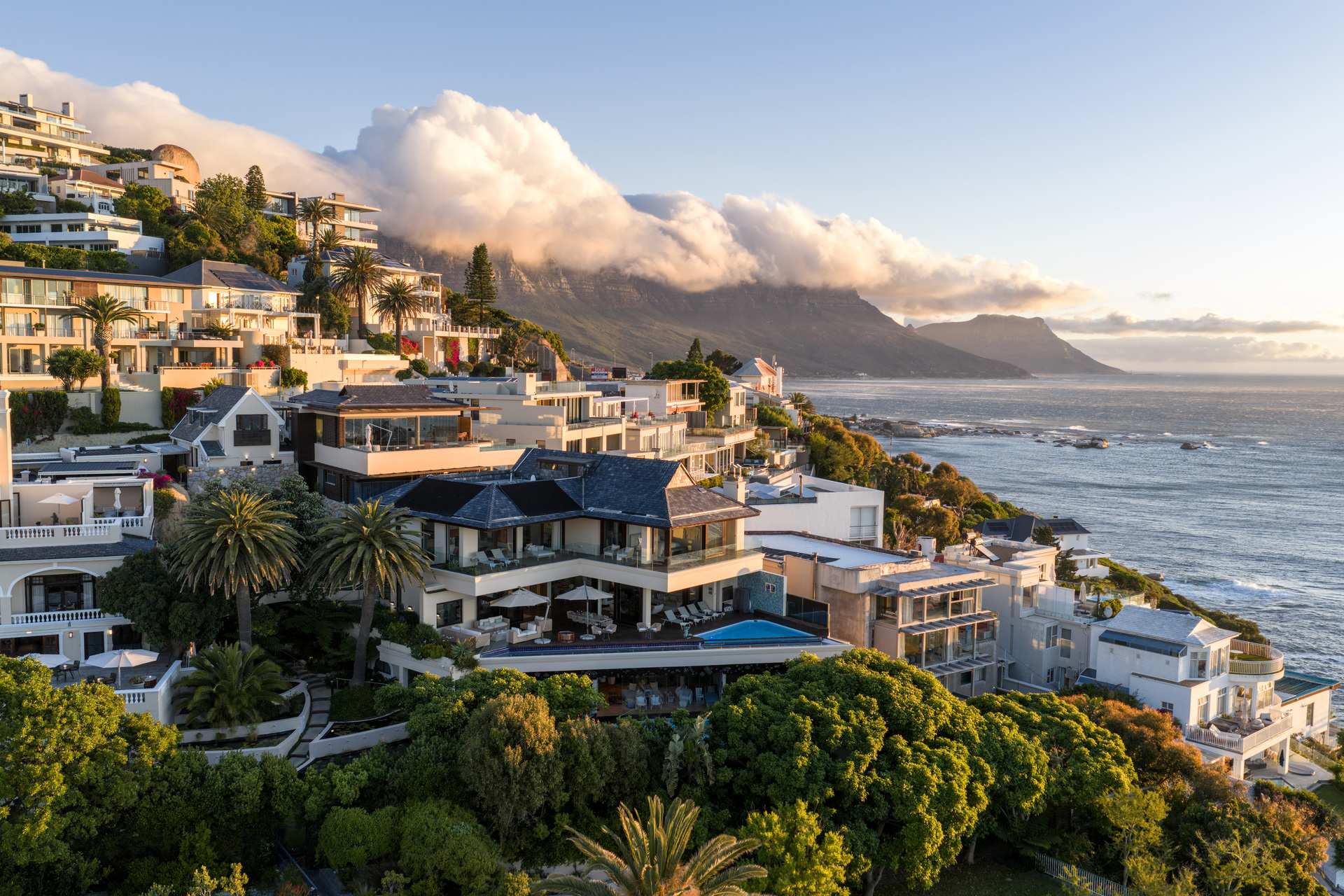
A TAG Approved boutique villa hotel in Bantry Bay, Ellerman House offers one of the most intimate and exclusive stays in South Africa — with just 13 rooms, an ocean-facing pool and views that sweep from Clifton to the Cape Peninsula. The service culture is exceptionally personal and the hotel has a well-established reputation for welcoming LGBTQ+ guests with complete discretion and warmth. Cape Town's finest boutique property.
Book it

One&Only Cape Town

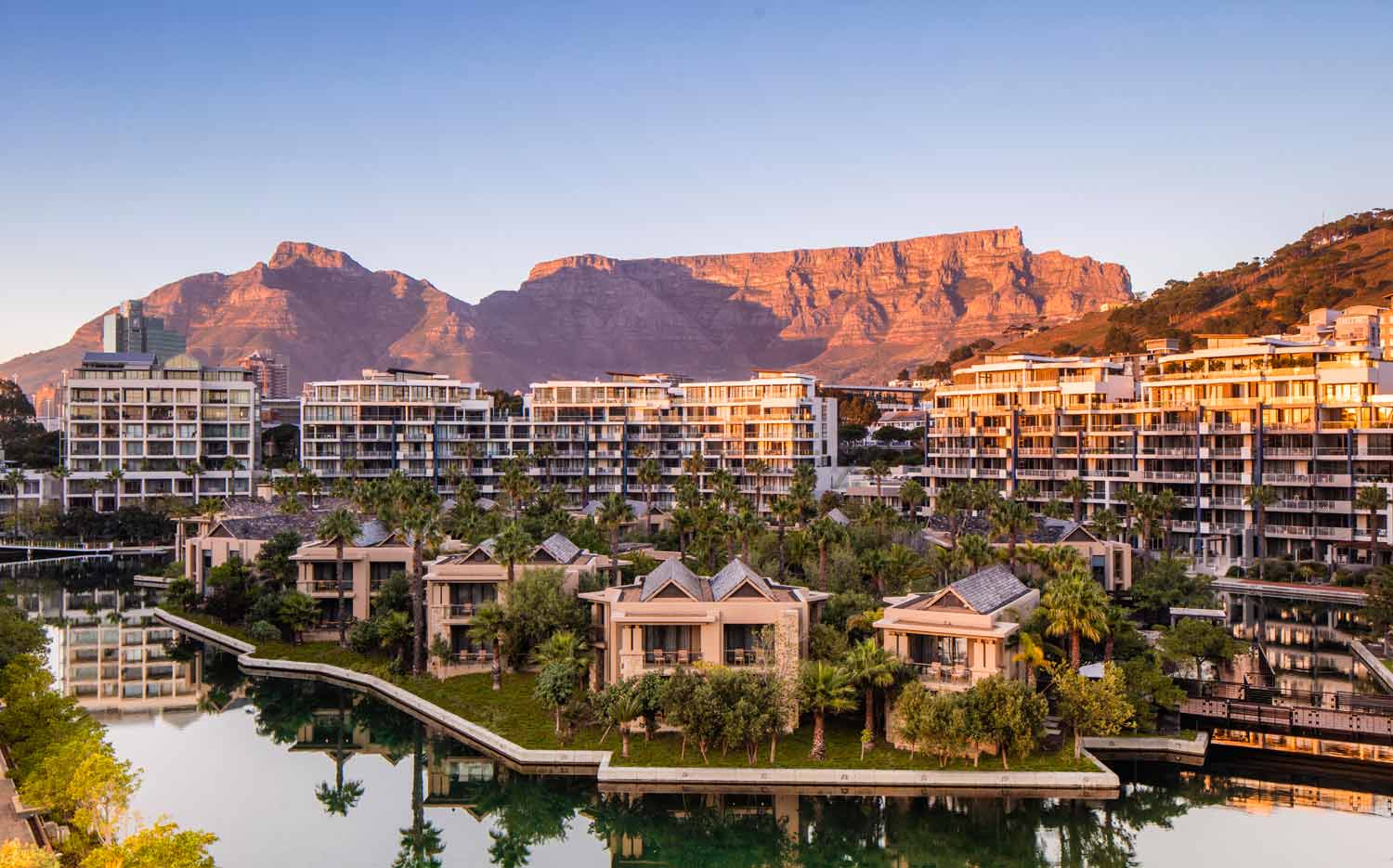
Set on the Victoria & Alfred Waterfront, the One&Only Cape Town is a TAG Approved flagship property offering extraordinary design, a spectacular mountain-facing pool and Table Mountain as the backdrop to every room. One of southern Africa's finest hotels, with a warm, professional service culture that has earned it a strong LGBTQ+-welcoming reputation. A 10-minute drive from De Waterkant. The prestige choice for LGBTQ+ travellers who want Cape Town at its absolute finest.
Book it

The Gorgeous George

A strikingly designed boutique hotel on St George's Mall in the CBD, The Gorgeous George is one of Cape Town's most celebrated LGBTQ+-welcoming properties. The rooftop pool and bar are social destinations for the city's LGBTQ+ community, and the hotel's creative identity aligns naturally with Cape Town's queer culture. A short walk to De Waterkant and the V&A Waterfront.
Book it

Frequently asked questions

Can I visit the Cape Winelands as an LGBTQ+ traveller?

Yes — the Cape Winelands towns of Stellenbosch and Franschhoek are welcoming and safe for LGBTQ+ visitors, particularly in the wine estate and restaurant environment where international and progressive tourism is well established. Both towns are about an hour's drive from Cape Town. Many wine estates explicitly welcome same-sex couples for visits, tastings and overnight stays in guest accommodation. Discretion in smaller towns and rural areas is generally advisable in South Africa outside of Cape Town's tourism infrastructure.

When is Cape Town Pride 2026?

Cape Town Pride 2026 is expected in late February, following the pattern of previous years. The official dates will be confirmed on the Cape Town Pride website. Book hotels in De Waterkant and Green Point two to three months ahead as the event draws growing international attendance.

What is the gay area of Cape Town called?

Cape Town's gay village is De Waterkant, centred on the Cape Quarter area in the foreshore district. The neighbourhood is home to gay bars, boutique hotels and LGBTQ+-owned restaurants in beautiful Victorian Cape Malay streetscapes. Green Point's Somerset Road strip extends the LGBTQ+ scene along the Atlantic Seaboard.

Is Cape Town safe for gay couples?

Cape Town's tourism areas — De Waterkant, Green Point, Sea Point, the V&A Waterfront and the City Bowl — are safe and welcoming for LGBTQ+ travellers. South Africa has the most progressive LGBTQ+ constitution in Africa and same-sex marriage has been legal since 2006. Exercise standard vigilance after dark, as Cape Town's general crime statistics require care for all visitors outside well-lit, busy areas.